Anxiety in Love: What Tarot Says About Trust and Hidden Cracks
Love, at its best, feels like a safe harbor. But sometimes, a quiet unease can settle in, a persistent hum of anxiety that makes you question the ground beneath your feet. Is it a gut feeling you should pay attention to, or a shadow cast by past experiences? Tarot offers a unique lens for self-reflection, helping you untangle these complex emotions. It's not about predicting a relationship's fate, but about understanding your own responses and the dynamics at play. This article will guide you through using tarot to explore those hidden cracks in trust, not to find answers, but to ask better questions of yourself and your relationship, ultimately empowering you to move forward with clarity.
When a bad feeling is pattern recognition
That knot in your stomach when your partner says something ambiguous, or the flash of doubt when plans change unexpectedly – these feelings aren't always random. Often, they're echoes of past hurts or unresolved insecurities. Tarot can act as a mirror, showing you where these patterns originate. Cards like the Five of Cups or the Eight of Swords might appear, reflecting feelings of regret or being trapped by your own thoughts. When you see these cards, it's an invitation to pause and ask: Is this feeling truly about the present moment, or is it a familiar alarm bell ringing from a past experience? Recognizing these patterns is the first step toward differentiating between a valid concern and an old wound resurfacing.
The Moon: fear or intuition?
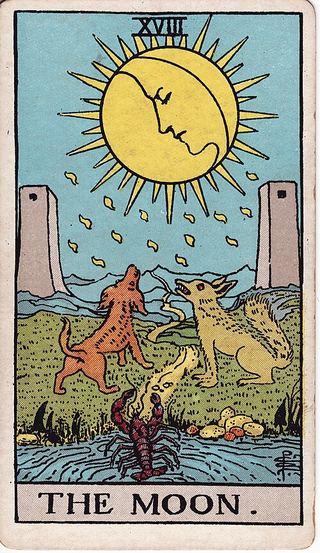
The Moon card is perhaps the most potent symbol of anxiety and the subconscious in love readings. It represents hidden things, illusions, and the path through the unknown. When The Moon appears, it's crucial to consider its context. Is it suggesting genuine deception or confusion from another, or is it reflecting your own anxieties and fears casting shadows where none exist? The two dogs on the card often symbolize our primal instincts – one wild, one domesticated – representing the struggle between raw fear and a more grounded understanding. The Moon asks you to sit with discomfort, to explore what is unseen, and to discern whether the fog is external or internal. It's a call to trust your inner voice, but also to question its source.
The trust cards and what they ask
Certain tarot cards speak directly to trust and honesty. The Hierophant, reversed, might suggest a breakdown in shared values or traditional commitments. The Justice card, upright, calls for truth and fairness, asking if both partners are acting with integrity. The Queen of Swords, while embodying truth, can also highlight a need for clear communication and boundaries. When you see these cards, they're not telling you to trust or distrust, but rather inviting you to examine the foundations of your relationship. They ask: Are you both operating from a place of honesty? Are expectations clear? Are you both willing to uphold your word? These cards are prompts for self-reflection on your own contributions to trust, and for considering where integrity might be wavering.
When to talk instead of draw
Tarot is a fantastic tool for personal insight, but it has limitations. If your anxiety stems from specific behaviors or unanswered questions within your relationship, drawing more cards might only deepen the internal echo chamber. There comes a point where reflection must give way to action – and that action is often direct, honest communication with your partner. If the cards consistently highlight themes of miscommunication (like the Two of Pentacles reversed, or the Tower), or a need for clarity (like the Ace of Swords), it's a strong signal to put the deck down and initiate a conversation. Tarot helps you understand yourself; talking helps you understand each other. No card can replace the vulnerability and courage required to speak your truth and listen to another's.
Cards in this article
Frequently asked
Can tarot predict if my partner is cheating?
Tarot does not predict specific events like cheating. Instead, it can highlight themes of deception, hidden information, or mistrust within a relationship, prompting you to reflect on dynamics and communicate openly.
What if I keep getting 'negative' cards about my relationship?
Repeated 'negative' cards aren't a prophecy of doom. They are a consistent mirror reflecting areas of challenge or discomfort within the relationship or your own feelings about it. Use them as prompts for self-reflection and candid conversations.
Should I tell my partner I'm using tarot to understand our relationship?
Whether to share your tarot practice is a personal choice. Some partners might find it insightful, while others might misinterpret it as fortune-telling. Focus on sharing the insights you gain about yourself and your feelings, rather than presenting card meanings as definitive answers.
Free · three cards · no signup