7 Tarot Myths That Need to Die
Tarot has captivated hearts and minds for centuries, but with its rich history comes a fair share of misunderstandings. You might have heard whispers of dark omens, fixed futures, or the need for extraordinary psychic abilities. It's time to set the record straight. Tarot isn't about fortune-telling; it's a profound tool for self-discovery, offering insights into your current path and potential choices. By dispelling these persistent myths, we can unlock the true, empowering nature of the cards, helping you use them as a mirror for reflection rather than a crystal ball for a predetermined destiny. Let's explore these common misconceptions and reveal the practical magic of tarot.
Myth: tarot predicts a fixed future
One of the most enduring myths about tarot is that it predicts an unchangeable future. This idea strips you of your agency and misunderstands the core purpose of the cards. Tarot doesn't dictate what will happen; it illuminates the energies, influences, and potential outcomes based on your current trajectory and mindset. Think of a reading as a snapshot of your present circumstances, showing you where you are heading if you continue on your current path. The beauty of tarot lies in its ability to empower you. If you don't like what you see, you have the power to make different choices, alter your course, and create a future that aligns with your desires. Tarot acts as a guide, offering clarity and perspective, not a rigid prophecy.
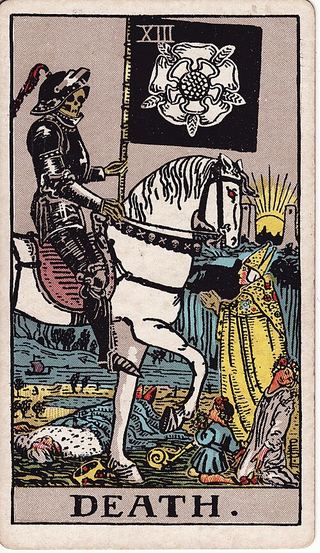
Myth: the Death card means someone dies
Few cards strike as much fear as the Death card, often leading people to believe it foretells literal physical death. This is perhaps the most dramatic and common misinterpretation in tarot. In the Rider-Waite-Smith tradition, the Death card almost universally symbolizes transformation, endings, and new beginnings. It represents the necessary conclusion of a phase, habit, relationship, or way of thinking to make space for something new to emerge. Just as autumn leaves fall to nourish the soil for spring, the Death card signifies a shedding of the old to allow for renewal and growth. It's a powerful card of transition, often indicating profound change and release, rather than a literal passing.
Myth: you must be psychic to read
Many aspiring tarot readers shy away, convinced they lack the 'gift' of psychic ability. This is a significant barrier that prevents many from exploring tarot's potential. The truth is, while some readers may possess psychic inclinations, it is absolutely not a prerequisite for reading tarot effectively. Tarot is a language of symbols, archetypes, and intuition that anyone can learn to interpret. It taps into your own inner wisdom and ability to connect patterns and narratives. With practice, study, and an open mind, you can develop your intuitive muscles and learn to read the cards. It's about understanding the card meanings, listening to your gut feelings, and creating a story that resonates with the querent's situation. Dedication and empathy are far more valuable than perceived psychic powers.
Myth: reversed cards are always bad
The appearance of a reversed card often causes immediate alarm, with many assuming it automatically signifies something negative or problematic. While reversed cards can indeed indicate challenges, blockages, or an inversion of the upright meaning, they are not inherently 'bad.' Instead, they offer nuanced insights into how the card's energy is manifesting. A reversed card might suggest that the energy of the upright card is being suppressed, overdone, or needs internal focus. For example, a reversed Strength card might indicate a struggle with inner courage, or perhaps an overexertion of force. They serve as a call to attention, inviting you to explore an aspect of the situation more deeply, encouraging self-reflection and adjustment rather than predicting doom. They are simply another layer of meaning to consider.
Cards in this article
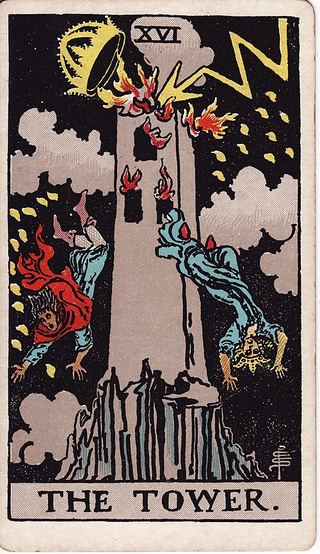
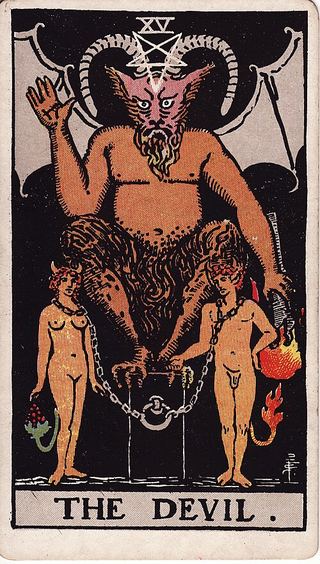
Frequently asked
Can tarot tell me if I'm going to get a promotion?
Tarot won't give a definitive 'yes' or 'no' to a promotion. Instead, it can reveal the energies surrounding your career, potential challenges, or the best path to pursue to increase your chances, helping you make informed decisions.
Is it bad to read tarot for myself?
Not at all! Reading tarot for yourself is a fantastic way to develop your intuition, practice interpretation, and gain personal insights. It's a powerful tool for self-reflection and growth.
Do I need to buy an expensive tarot deck to get accurate readings?
The accuracy of a reading comes from your connection to the cards and your intuitive interpretation, not the price of the deck. A simple, affordable Rider-Waite-Smith deck is perfect for learning and effective readings.
Free · three cards · no signup