The Daily Card: A Two-Minute Practice That Compounds
Imagine a practice so simple, it takes just two minutes, yet offers profound insights into your day-to-day life. The daily card draw isn't about predicting the future; it's about holding a mirror to your present. Each card acts as a prompt, a gentle nudge to observe your thoughts, feelings, and experiences with greater awareness. Over time, this consistent, mindful engagement with the tarot builds a rich tapestry of self-understanding. It's a grounding ritual that helps you navigate your day with intention, reflecting on themes as they emerge rather than being swept away by them. This article will guide you through establishing your own daily card practice, demonstrating how a small habit can lead to significant personal growth.
How to draw a daily card
To begin, find a quiet moment where you won't be disturbed. Hold your deck, shuffle it with a clear mind, and focus on the simple intention of gaining a reflection for your day. You might silently ask, "What energy is present for me today?" or "What do I need to be aware of?" Once you feel ready, draw a single card from the deck. There's no right or wrong way to draw; some prefer cutting the deck, others fanning it out and selecting. Look at the card. What imagery stands out? What initial feeling does it evoke? Don't worry about memorizing meanings immediately. Instead, let your intuition guide your first impression. This initial response is often the most telling, connecting the card's symbolism directly to your subconscious.
Morning intention vs evening review
The timing of your daily card draw can subtly shift its impact. Drawing a card in the morning sets an intention for the day. For example, if you draw the Eight of Wands, you might anticipate a day of rapid progress or quick communication. This allows you to consciously lean into or prepare for that energy. Conversely, drawing a card in the evening offers a reflective review. If you draw the Eight of Wands at night, you can look back and observe how its themes manifested: "Yes, today was indeed filled with emails and quick decisions." Both approaches are valid and offer unique benefits. The morning draw helps you shape your day; the evening draw helps you understand it. Experiment to see which resonates more with your rhythm and goals.
The one-line journal
To truly compound the benefits of your daily card practice, couple it with a one-line journal entry. After drawing your card, simply write down the card's name and a single sentence capturing your immediate impression or how you intend to relate to it. For instance, "Three of Swords: Acknowledge any difficult truths today, but don't dwell." Or, if reflecting in the evening, "Three of Swords: Felt a pang of sadness over a past conversation, but let it pass." This brief act of journaling solidifies your interaction with the card. It's not about extensive analysis, but about creating a tangible record of your daily reflections. Over time, these concise entries become a powerful personal archive, revealing patterns and growth.
What a month of daily cards teaches
After a month of consistent daily card draws and one-line journaling, you'll notice profound shifts. You'll begin to see recurring themes, not as predictions, but as areas of ongoing personal work or growth. Perhaps the Empress appears frequently, inviting you to nurture yourself or creative projects. Or the Swords court cards highlight a period of intellectual challenges. You'll develop a more intuitive relationship with the cards, recognizing their nuances and how they speak to your unique experiences. This practice teaches you to observe your life with greater discernment, noticing the subtle energies at play. It's a gentle, consistent reminder to pause, reflect, and engage consciously with the unfolding narrative of your own life.
Cards in this article
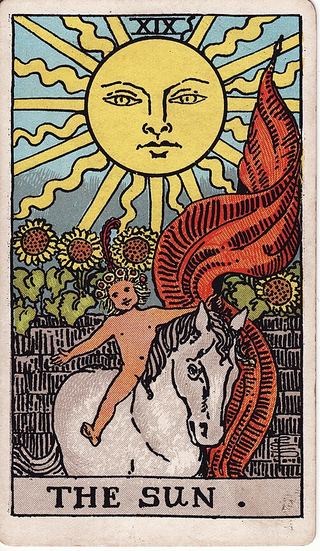
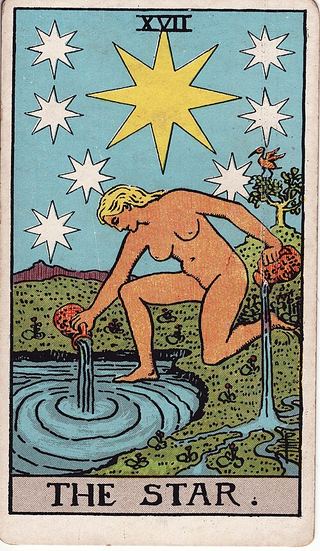
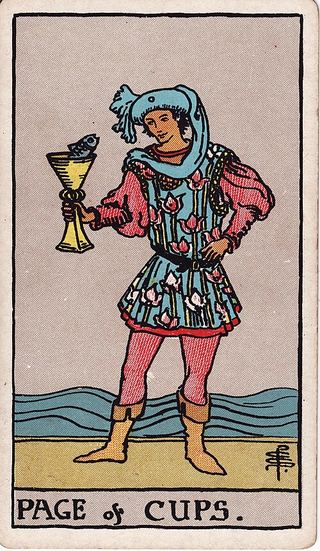
Frequently asked
Can I draw more than one card for my daily practice?
While you certainly can, the power of the daily card practice lies in its simplicity. Sticking to one card encourages a focused reflection on a single theme, making the practice more sustainable and impactful over time.
What if I don't understand the card I draw?
Don't worry if a card's meaning isn't immediately clear. Start by observing the imagery and allowing your intuition to speak. A quick reference to a basic tarot guide or even a simple search for the card's main themes can provide a starting point for reflection, rather than a definitive answer.
Is the daily card practice a form of fortune-telling?
No, this practice is firmly rooted in self-reflection and personal growth, not fortune-telling. The cards serve as symbolic mirrors, offering perspectives and prompts for understanding your internal and external experiences, rather than predicting specific future events.
Free · three cards · no signup