Reading Tarot for Yourself: 6 Mistakes Everyone Makes
Reading tarot for yourself offers a powerful way to reflect on your path, understand your inner landscape, and gain clarity. It’s a personal dialogue, a mirror held up to your own wisdom. However, this very intimacy can sometimes lead us astray. Without the objective perspective of an external reader, it's easy to fall into habits that obscure the tarot's true message, turning a tool for honest reflection into something less useful. This article explores six common pitfalls people encounter when reading for themselves and offers practical ways to cultivate a more grounded, insightful practice. Let's look at how to ensure your self-readings are truly reflective and helpful.
Re-asking the same question daily
It’s a common scenario: you pull cards about a specific situation, get an answer that feels incomplete or not what you wanted, and then pull again the next day. Or even later the same day. This isn’t seeking further insight; it’s often a subtle form of resistance. The tarot speaks in layers, and its initial message, even if subtle, holds value. Repeatedly asking the same question, especially when seeking a different outcome, dilutes the energy of your readings and often leads to confusion rather than clarity. The cards aren't a magic 8-ball to be shaken until a desirable answer appears. Instead, trust the initial spread, allow its meaning to unfold, and consider what new questions arise from that first reading rather than just repeating the old one.
Hearing only what you hoped to hear
When we read for ourselves, our hopes, fears, and biases are naturally present. It’s incredibly easy to interpret a card, especially an ambiguous one, through the lens of what we desperately want to be true. A Ten of Cups might be seen as a sign of immediate fulfillment, even if surrounding cards suggest challenges or a need for inner work first. We might downplay the cautionary aspects of a Five of Pentacles if we're focused on a desired outcome. This isn't intentional deception; it's the human mind protecting itself or gravitating towards comfort. The challenge is to step back and ask: if a trusted, neutral friend were reading these cards, what might they see? What other interpretations exist beyond my immediate desires?
Skipping the card that stings
We all have cards that make us inwardly groan – the Tower, the Ten of Swords, the Five of Wands. When these appear in a self-reading, there's a strong temptation to quickly move past them, to interpret them as less severe than they feel, or even to redraw. However, these 'stinging' cards are often the most important for growth and understanding. They highlight areas of resistance, necessary endings, or challenging truths that need our attention. To skip or soften them is to miss a crucial message the tarot is offering. Instead of avoiding them, lean into the discomfort. Ask yourself: what specific area of my life is this card illuminating? What am I being asked to confront or release? These are not predictions of doom, but invitations to face reality and move through it.
Fixes: distance, honesty, and one good question
To counteract these common mistakes, cultivate distance, radical honesty, and precision in your questioning. Firstly, create distance: put the cards away for a few hours or even a day after a reading, then revisit them with fresh eyes. This allows emotional reactions to subside. Secondly, practice radical honesty with yourself. When interpreting, specifically ask, "Am I seeing what's here, or what I want to see?" If a card feels difficult, sit with it. Acknowledge its message without judgment. Finally, refine your questions. Instead of vague queries like "Will I find love?" ask, "What can I learn about cultivating loving relationships?" or "What internal blocks might be preventing deeper connection?" One well-phrased, open-ended question is far more effective than multiple anxious, outcome-focused ones.
Cards in this article
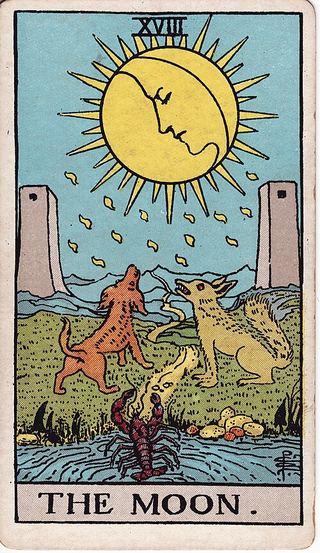
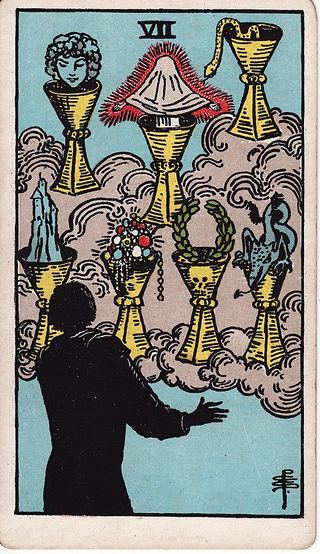
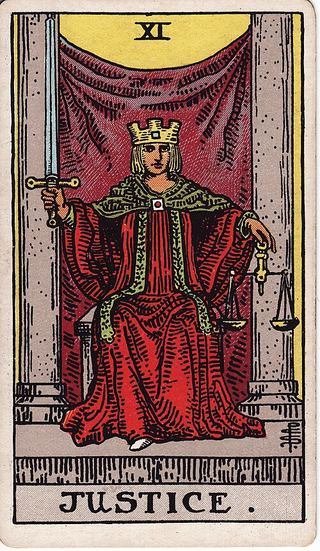
Frequently asked
Can I read tarot for myself every day?
Yes, you can read tarot daily, but focus on a single card pull for daily reflection rather than repeated elaborate spreads on the same topic. Use it for general guidance or self-check-ins.
How do I know if my tarot interpretation is accurate for myself?
An accurate self-interpretation often resonates deeply, offers a new perspective, or highlights a truth you might have been avoiding. It typically provides clarity rather than confusion, even if the message is challenging.
What should I do if I keep getting confusing tarot readings for myself?
If your self-readings are consistently confusing, simplify your questions, try a different spread (like a single card pull), or take a break. Journaling about your thoughts before and after a reading can also help clarify your intentions and interpretations.
Free · three cards · no signup