Shadow Work with Tarot: Meeting the Cards You'd Rather Skip
Every tarot deck holds cards we instinctively shy away from, cards that feel heavy or unsettling. But what if these very cards are the ones holding the most profound insights for your personal growth? This article invites you to explore 'shadow work' through the lens of tarot – a process of acknowledging and integrating the less conscious parts of ourselves. It’s about meeting those difficult cards not with dread, but with curiosity, seeing them as mirrors reflecting aspects of your inner world that are ready for gentle examination. We'll unpack what shadow work truly entails, reframe intimidating cards, and offer a simple, safe spread to guide your journey.
What shadow work actually is
Shadow work, a concept popularized by Carl Jung, isn’t about becoming a 'darker' person. Instead, it’s the courageous practice of acknowledging, understanding, and eventually integrating the parts of yourself you’ve disowned, suppressed, or simply aren't aware of. These might be perceived flaws, insecurities, unexpressed emotions, or even undeveloped potentials. It's not about eradicating these aspects but bringing them into conscious awareness so they no longer control you from the shadows. Tarot offers a safe, symbolic language for this process, allowing you to observe these parts of yourself without immediate judgment, creating a space for reflection rather than reaction. It’s a journey toward wholeness, not perfection.
Devil, Moon, Tower as prompts, not omens
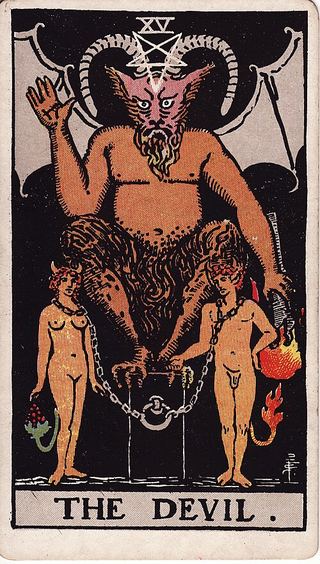
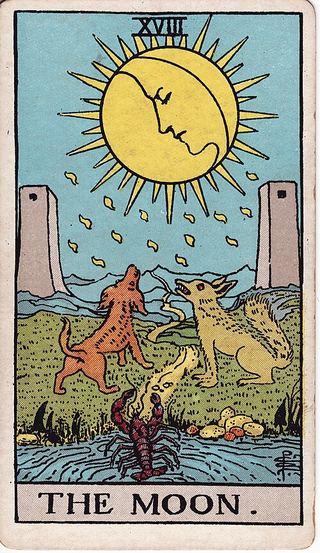
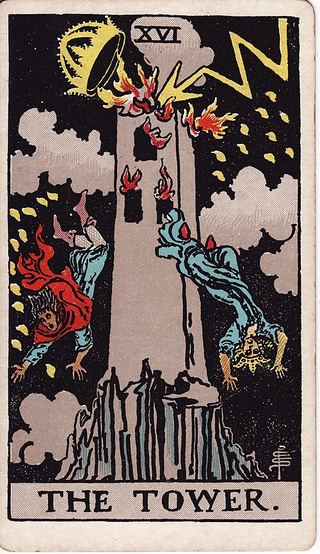
When cards like The Devil, The Moon, or The Tower appear, our first instinct might be to panic or interpret them as bad omens. In shadow work, we shift this perspective entirely. The Devil card, for instance, isn't just about literal temptation; it can represent unhealthy attachments, self-imposed limitations, or addictive patterns we feel bound by. The Moon often points to hidden fears, illusions, or the murky depths of our subconscious mind – things that feel unclear or out of reach. The Tower, while disruptive, can signify sudden breakthroughs, the collapse of old structures that no longer serve us, or a necessary dismantling of false beliefs. These cards act as powerful prompts, inviting you to ask: Where in my life do I see these energies playing out? What are they trying to reveal about my inner landscape?
A three-card shadow spread
For this spread, find a quiet moment. Shuffle your deck, focusing on your intention to understand a hidden aspect of yourself more deeply. Draw three cards and place them in a row. Card 1: 'What unseen aspect of myself is ready for gentle acknowledgment?' This card reveals a part of your shadow self that’s seeking integration. Card 2: 'How does this aspect currently manifest or impact my life?' This shows you the practical effects of this unconscious pattern. Card 3: 'What small, actionable step can I take to integrate this aspect?' This card offers guidance for moving forward, not a quick fix, but a gentle direction. Reflect on the imagery, numbers, and elemental associations of each card, connecting them to your own experiences.
Going gently: safety notes
Shadow work, while transformative, is not always comfortable. It’s crucial to approach it with self-compassion and gentleness. You are not obligated to confront everything at once. If a card or a reading feels overwhelming, set it aside. There’s no rush. Remember, tarot is a tool for self-reflection and personal insight; it is not a substitute for professional mental health support. If you are struggling with deep-seated trauma, depression, or anxiety, please reach out to a qualified therapist or counselor. Use tarot as a mirror to understand yourself better, but always prioritize your well-being and seek professional help when needed. Go at your own pace, and always be kind to yourself.
Cards in this article
Frequently asked
Is shadow work always dark and negative?
No, shadow work is not inherently dark. It's about bringing unconscious aspects, both perceived negative traits and undeveloped positive potentials, into awareness for integration and personal growth. The goal is wholeness, not dwelling in negativity.
Can I do shadow work by myself with tarot?
Yes, tarot can be a powerful tool for solo shadow work, offering symbolic insights and prompts for self-reflection. However, if you encounter deeply unsettling emotions or past trauma, consider seeking support from a qualified mental health professional.
Which tarot cards are best for shadow work?
While any card can offer shadow insights, cards often associated with deeper introspection include The Devil (attachments), The Moon (illusions, subconscious), The Tower (breakthroughs, destruction of false structures), The Hanged Man (surrender), and various Swords cards (challenging thoughts, truths).
Free · three cards · no signup