Tarot and Anxiety: Using the Cards Without Feeding the Spiral
Tarot can be an incredible companion on your journey of self-discovery, offering insights and new perspectives. Yet, for many of us, anxiety is a constant shadow, and sometimes, the very tools we use for clarity can inadvertently amplify our worries. This article isn't about telling you tarot causes anxiety; it's about understanding how we interact with the cards when we're already feeling overwhelmed. We'll explore the delicate balance between seeking guidance and falling into anxious patterns, offering practical ways to engage with your deck as a mirror for reflection, not a crystal ball that holds all your fears hostage. Our goal is to empower you to use tarot thoughtfully, ensuring it serves as a source of calm and insight, rather than a catalyst for the spiral.
When readings soothe and when they spike
A tarot reading can be deeply soothing when it confirms an intuitive hit, offers a fresh perspective on a stagnant situation, or provides a framework for understanding complex emotions. It feels like a gentle nudge, a moment of clarity that helps you move forward. This happens when you approach the cards with an open question, ready to receive whatever message emerges as a prompt for reflection. However, readings can spike anxiety when you're looking for definitive answers to 'yes/no' questions about uncertain futures, or when you treat the cards as an oracle of doom or salvation. If you find yourself holding your breath, desperately hoping for a specific card, or feeling crushed if it doesn't appear, the reading is likely fueling your anxiety rather than alleviating it. The key is to notice your emotional state before, during, and after a reading.
The re-asking loop and how it hooks you
The re-asking loop is a classic anxiety trap. It starts innocently enough: you pull cards, get a message, but it doesn't feel 'right' or definitive enough, especially when dealing with high-stakes worries. So, you shuffle and ask again, perhaps rephrasing the question slightly. Then again, and again. Each subsequent reading, instead of bringing clarity, often adds more confusion and a sense of desperation. You might pull conflicting cards, leading to more questions about which interpretation is 'correct,' or you might get the same card repeatedly, making you feel stuck. This loop hooks you because anxiety thrives on uncertainty, and the act of re-asking promises a definitive answer that tarot, as a reflective tool, isn't designed to provide. It moves you further from your own intuition and deeper into a cycle of seeking external validation for internal fears.
Grounding rituals around a reading
To counteract the anxiety spiral, integrate grounding rituals into your tarot practice. Before you even touch your deck, take a few deep breaths. Light a candle, play some calming music, or simply sit in silence for a moment. This helps you shift from a state of anxious urgency to one of mindful presence. Formulate your question clearly and concisely, focusing on 'how' or 'what' rather than 'will I?' For example, instead of 'Will I get the job?' try 'What can I focus on to best prepare for this job opportunity?' After drawing your cards, resist the urge to immediately interpret. Just observe them. Journal your initial impressions without judgment. Remember, the cards offer a mirror, not a command. Close your reading by thanking your deck and bringing your awareness back to your body and your immediate surroundings. A short walk or a cup of tea can help solidify the transition out of the reading space.
When to close the deck and get real support
Tarot is a powerful tool for self-reflection, but it is not a substitute for professional support. If you find yourself consistently turning to the cards for answers to deep-seated anxieties, if your readings are increasing your distress, or if you feel dependent on the cards to make basic life decisions, it's a clear sign to step away. These are moments when the best course of action is to close your deck and seek support from qualified professionals: a therapist for persistent anxiety, a financial advisor for money worries, or a doctor for health concerns. Real support means engaging with experts who can offer tailored guidance and strategies for navigating complex challenges. Your deck will always be there for you when you're ready to engage with it mindfully, but prioritizing your well-being with professional help is always the wisest choice.
Cards in this article
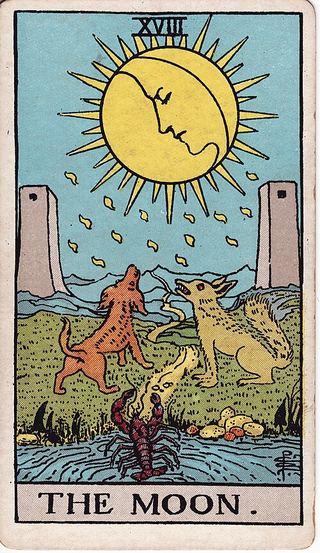
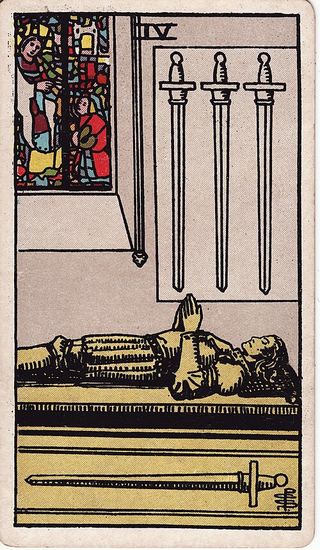
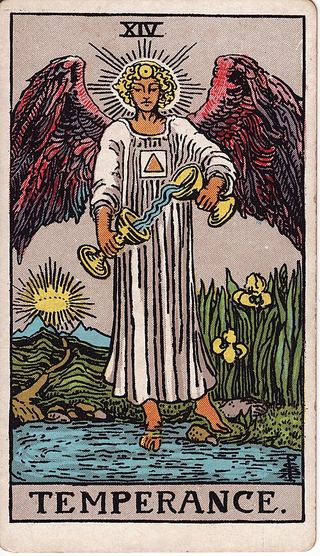
Frequently asked
Can tarot cause anxiety?
Tarot itself does not cause anxiety, but how we use and interpret the cards, especially when already feeling anxious, can contribute to or amplify existing worries. It's about your approach and expectations.
What should I do if a reading makes me more anxious?
If a reading increases your anxiety, put the cards away, take some deep breaths, and ground yourself in the present moment. Revisit the reading later with a calmer mind, or consider seeking professional support for your anxiety.
How can I avoid the re-asking loop?
To avoid the re-asking loop, commit to a single, well-formulated question per reading. Trust the initial message as a prompt for reflection, even if it's not the answer you hoped for, and resist the urge to pull more cards.
Free · three cards · no signup