The Three-Card Spread: A Complete Beginner's Guide
When you're starting out with tarot, the sheer number of cards in a large spread can feel overwhelming. Ten cards? Sometimes even more? It’s enough to make anyone second-guess their ability to read. That's why the three-card spread is your best friend. It offers profound insight without the complexity, making it ideal for getting comfortable with your deck and trusting your intuition. This guide will walk you through the elegance of a simple three-card pull, showing you how to use it as a powerful mirror for reflection, helping you understand your path, your choices, and your potential, all without needing to predict a fixed future.
Why three cards beat ten
Imagine pulling ten cards for a reading. Each card has its own meaning, its own symbolism, and its own narrative. Now, try to connect all of them into a coherent story that feels personal and actionable. It's a significant mental task, even for experienced readers. With three cards, the focus is concentrated. You have a beginning, a middle, and an end, or three distinct facets of a single situation. This structure makes it much easier to see the relationships between the cards and to grasp the core message your intuition is highlighting. It’s about quality over quantity; a focused reflection that helps you clarify your thoughts and feelings without getting lost in too many details. This simplicity builds confidence, allowing you to trust your own interpretations and build a stronger relationship with your deck.
Past, Present, Future — how the classic works
The 'Past, Present, Future' spread is the quintessential three-card layout for good reason. It provides a clear narrative arc that most people can easily understand and relate to. You draw one card for the Past, representing the influences, experiences, or energies that have led you to your current situation. This isn't about blaming the past but understanding its echoes. The second card, for the Present, illuminates your current energy, challenges, or opportunities. It’s what you're working with right now. The third card, for the Future, suggests a potential outcome or energy if you continue on your current path. It’s not a fixed prediction, but rather an indication of where your current trajectory might lead, offering an invitation to consider your choices and their potential impact. This frame empowers you to see your journey as a continuum, where each moment builds on the last.
Other three-card frames to try
While Past, Present, Future is excellent, the beauty of a three-card spread is its versatility. You can adapt it to almost any question. For clarity on a decision, try 'Option A, Option B, Outcome'. This helps you weigh choices and their potential consequences. If you're grappling with a challenge, 'Challenge, Action, Resolution' can guide you toward understanding what you face, what you can do, and what a potential way forward might look like. For self-reflection, consider 'Mind, Body, Spirit' to check in with your holistic well-being. Another helpful frame is 'What I See, What I Don't See, What I Need to Know'. Each of these frames offers a unique lens through which to explore your question, providing specific insights without overwhelming you with too many variables. Experiment to find what resonates most with your immediate needs.
Weaving three cards into one story
The real magic of the three-card spread lies in connecting the individual meanings into a cohesive narrative. Don't just read each card in isolation. Once you've identified the core message of each card in its position, look for the threads that tie them together. How does the first card influence the second? How do the first two lead to the third? For example, if your 'Past' card is the Five of Cups (loss, regret), your 'Present' is the Eight of Swords (feeling trapped), and your 'Future' is the Six of Swords (moving on), the story isn't just three separate woes. It's a narrative of past regret leading to current feelings of being stuck, with a potential path of letting go and finding new horizons. This weaving process transforms a simple draw into a rich, personal reflection, offering deeper understanding and often a sense of clarity on your journey.
Cards in this article
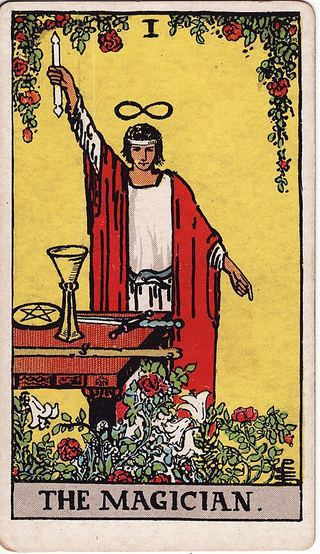
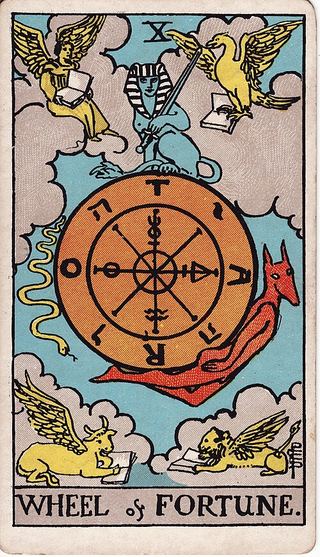
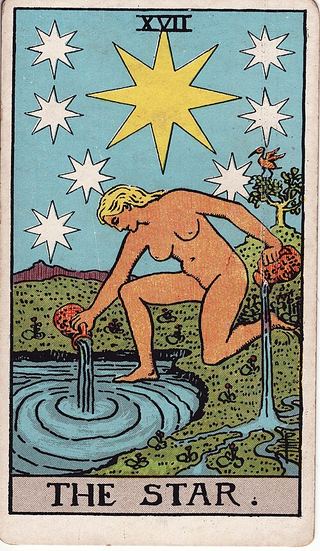
Frequently asked
How do I choose which three-card spread to use?
Consider what you want to understand. If you're looking at a timeline, Past, Present, Future is ideal. If you have a specific decision or challenge, choose a spread that directly addresses those elements, like 'Option A, Option B, Outcome' or 'Challenge, Action, Resolution'.
Should I use reversed cards in a three-card spread?
Using reversed cards is a personal choice. If you're comfortable interpreting them, they can add nuance. If you're a beginner, you might start by reading all cards upright to simplify the process and focus on core meanings, then introduce reversals as you gain confidence.
What if the cards don't seem to make sense together?
Sometimes, the initial connection isn't obvious. Take a breath and look for subtle links between their imagery, numerology, or elemental associations. Trust your intuition – often, the 'non-sensical' connection reveals a deeper, unexpected truth you hadn't considered.
Free · three cards · no signup