What Is Tarot and How Does It Actually Work?
Perhaps you've seen tarot cards in movies, or maybe a friend has mentioned having a reading. The images often evoke a sense of mystique, leading many to wonder: what exactly is tarot, and how does it actually function? Far from being a magical predictor of the future, tarot is a system of archetypal images designed to help you explore your inner world and gain perspective on your life circumstances. It's a tool for self-discovery, offering insights and prompting reflection rather than delivering definitive answers. If you're curious about how these seemingly simple cards can unlock profound understanding, you've come to the right place.
A short history of the cards
The history of tarot is richer and more grounded than many might assume. Tarot cards first emerged in 15th-century Italy, not as mystical tools, but as playing cards for a game similar to bridge, known as 'Tarocchi.' These early decks, often hand-painted for nobility, featured suits much like modern playing cards, along with a distinct set of trump cards depicting allegorical figures. It wasn't until the late 18th century that figures like Antoine Court de Gébelin and Jean-Baptiste Alliette (Etteilla) began associating tarot with ancient Egyptian wisdom and occult practices, shifting its perception from a game to a divinatory system. The Rider-Waite-Smith deck, published in 1909, truly popularized tarot's use for self-reflection, with its rich, symbolic imagery that tells a story across each card.
A mirror, not a crystal ball
One of the most common misconceptions about tarot is that it's a form of fortune-telling. This couldn't be further from how thoughtful practitioners understand and use the cards. Tarot doesn't predict a fixed future or tell you what will happen. Instead, it acts as a mirror, reflecting your current situation, your subconscious thoughts, your hidden motivations, and potential paths forward based on your present trajectory. When you draw cards, their symbolic meanings resonate with aspects of your life that you may not have consciously acknowledged. It's a way to externalize your internal landscape, giving you a fresh perspective on challenges, opportunities, and the choices you face. The cards offer insight, empowering you to make informed decisions rather than dictating an outcome.
What happens in a reading
A tarot reading typically begins with you formulating a question or an area of focus. This is crucial; a clear question allows the cards to offer more specific guidance. The reader then shuffles the deck, often inviting you to participate by cutting the deck or simply holding space for intention. Cards are then laid out in a specific pattern, known as a 'spread,' where each position in the spread represents a different aspect of your question – perhaps the past, present, challenges, or advice. The reader interprets the symbolism of each card in its position, connecting it back to your question and offering potential meanings. It's an interactive process, with the reader guiding you to explore how the card's message resonates with your own experiences and feelings, fostering self-discovery and clarity.
What tarot can and cannot tell you
Tarot can be incredibly helpful for gaining clarity on your emotions, understanding relationship dynamics, exploring career paths, or uncovering hidden blocks. It can illuminate your strengths, highlight areas for personal growth, and offer guidance on navigating difficult situations by revealing underlying patterns. It's excellent for self-reflection, brainstorming, and creative problem-solving. However, it's vital to understand what tarot cannot do. Tarot cannot predict exact lottery numbers, tell you if someone loves you, or guarantee a specific outcome. Crucially, it should never be used in place of professional medical, legal, or financial advice. If you have concerns in these areas, please consult qualified professionals. Tarot is a tool for insight and personal empowerment, not a substitute for expert guidance or personal responsibility.
Cards in this article
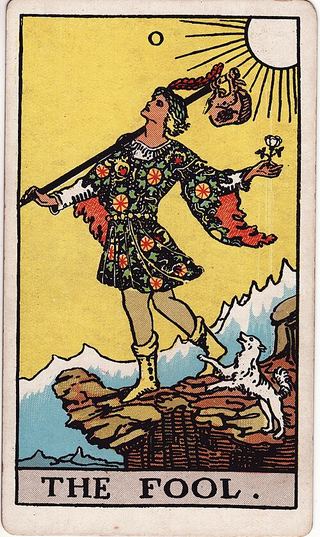
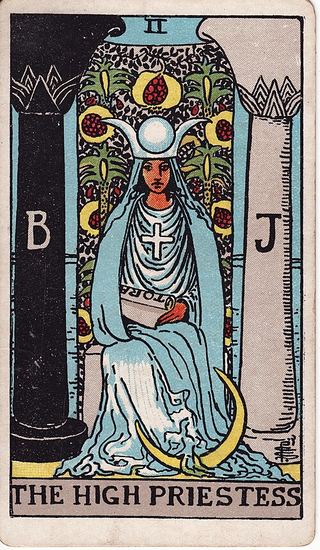
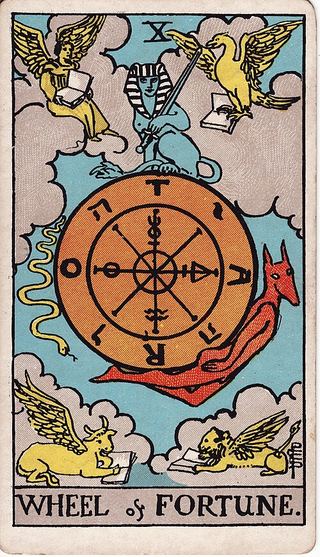
Frequently asked
Is tarot fortune-telling?
No, tarot is not fortune-telling. It serves as a tool for self-reflection and insight, offering perspectives on your current situation and potential paths forward based on your choices, rather than predicting a fixed future.
Do I need to be spiritual to use tarot?
No, you don't need to identify as spiritual or hold specific beliefs to use tarot. Many people approach it as a psychological tool for self-exploration, introspection, and gaining new perspectives on their life challenges and opportunities.
Can tarot tell me what decision to make?
Tarot won't tell you exactly what decision to make. Instead, it can illuminate the factors at play, reveal your own subconscious feelings about different options, and offer guidance to help you make a more informed and empowered choice for yourself.
Free · three cards · no signup